
Paraben Free Makeup for Sensitive Skin
Table of Contents
- Why Parabens Matter When Your Skin Is Sensitive
- What Are Parabens and Why Avoid Them?
- Key Ingredients to Look for in Paraben Free Makeup
- How to Read Ingredient Labels on Cosmetics
- Fragrance Free Moisturizer for Sensitive Skin
- Paraben Free Makeup Essentials for Every Skin Type
- Ingredients to Avoid Beyond Parabens
- How to Transition to Paraben Free Makeup
- Frequently Asked Questions
Last Updated: September 19, 2026
When your skin is sensitive, every product choice matters. Parabens are a common ingredient in conventional makeup that can trigger irritation, redness, and discomfort, especially if your skin barrier is already compromised. At Lotus Beauty Co., we understand that finding paraben free makeup for sensitive skin isn't just about avoiding one ingredient, it's about building a routine that feels safe, supportive, and genuinely works for your skin right now.
This guide covers selecting paraben free makeup, reading labels with confidence, and transitioning to products designed for reactive skin. We'll help you make informed choices that prioritize your comfort.
Why Parabens Matter When Your Skin Is Sensitive
Sensitive skin has a compromised or reactive barrier, making it prone to irritation from common ingredients. Parabens, preservatives used in many conventional makeup products, can trigger inflammation, redness, and burning sensations in reactive skin.
When your skin is already dealing with dryness or inflammation, exposure to potential irritants compounds the problem. A weakened barrier means even "safe" ingredients in standard formulations can cause discomfort. Choosing paraben free makeup is a practical decision.
What Are Parabens and Why Avoid Them?
Parabens are synthetic preservatives used in cosmetics, skincare, and personal care products to prevent bacterial and fungal growth. They're inexpensive, effective, and have been used in beauty products for decades. Common types include methylparaben, propylparaben, butylparaben, and ethylparaben.
Parabens are known skin irritants for many people, particularly those with sensitive or compromised skin barriers. Research indicates they can trigger contact dermatitis and sensitization in susceptible individuals.
For women navigating cancer treatment or recovery, avoiding parabens is practical self-care. Chemotherapy, radiation, and hormone therapy change how skin behaves, making it drier, more reactive, and less able to tolerate irritating ingredients.
The FDA does not prohibit parabens in cosmetics, but many dermatologists recommend avoiding them for sensitive skin. According to the American Academy of Dermatology's guidance on sensitive skin, individuals with reactive skin benefit from simplified formulations that exclude common irritants, including parabens.
Key Ingredients to Look for in Paraben Free Makeup
When choosing paraben free makeup for sensitive skin, focus on ingredients that support rather than stress your skin. The best formulations combine non-irritating bases with soothing, nourishing actives.
Hyaluronic acid draws moisture into the skin and rarely triggers reactions. In foundations and concealers, it maintains hydration without feeling heavy.
Glycerin supports the skin's natural moisture barrier and is a staple in dermatologist-recommended products for sensitive skin.
Ceramides are lipid molecules that strengthen the skin barrier. They're particularly valuable if your skin feels dry or tight. Many paraben free foundations and concealers now include ceramides to prevent the drying effect that can come from pigments and setting agents.
Soothing botanicals like chamomile extract, allantoin, and centella asiatica help calm inflammation and reduce redness, especially in color-correcting concealers.
Non-toxic mineral pigments like iron oxides and mica provide color without synthetic dyes that can irritate. Mineral-based formulations tend to be gentler and more breathable than heavily pigmented conventional makeup.
Look for products labeled hypoallergenic and dermatologist-tested. Remember that "hypoallergenic" means the product was formulated to minimize common allergens, not that it won't cause a reaction for everyone. If you want to understand exactly what's in a product before you buy, our Ingredient Index breaks down common cosmetic ingredients and their effects on sensitive skin.
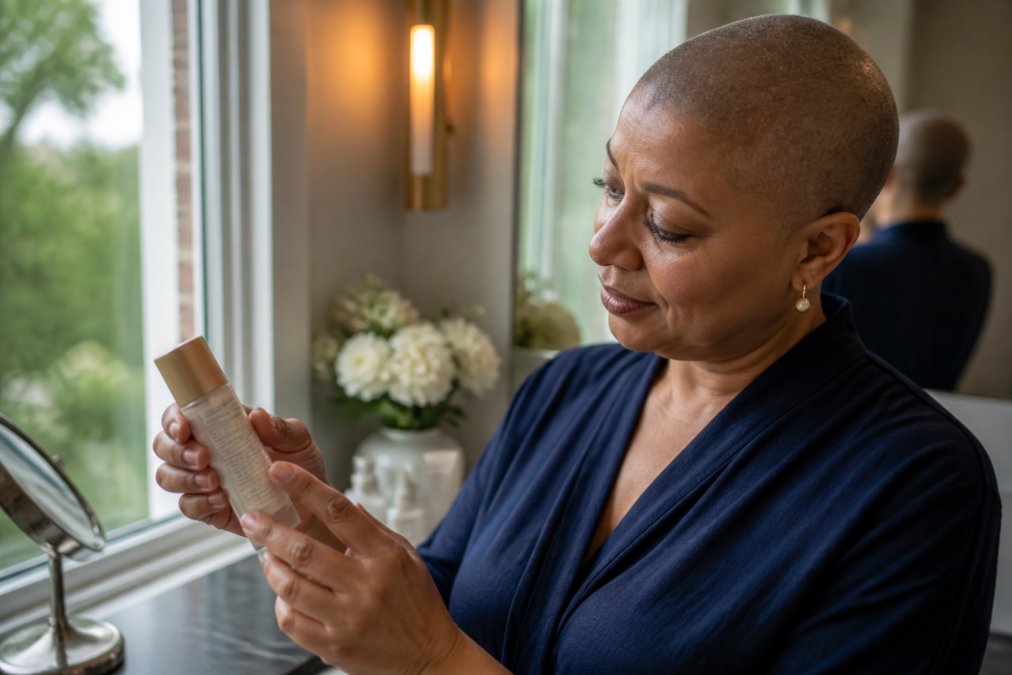
How to Read Ingredient Labels on Cosmetics
Learning to read a cosmetics label takes the guesswork out of shopping and tells you exactly what's in the product.
Ingredients are listed in descending order by weight. If parabens appear in the first five ingredients, that's a significant concentration. For sensitive skin, even small amounts near the end can cause problems.
Look for the word "paraben" specifically. It may appear as methylparaben, propylparaben, butylparaben, or ethylparaben. Some brands try to obscure this by using Latin names or abbreviations, but the ingredient list must clearly identify them.
Check for fragrance or "parfum." Synthetic fragrance is a major irritant for sensitive skin. Look for products labeled 100% fragrance-free rather than "unscented," which may mean fragrance was added to mask other odors.
Scan for sulfates. Common sulfates like sodium lauryl sulfate (SLS) and sodium laureth sulfate (SLES) are harsh cleansing agents. In makeup, they're less common than in cleansers, but some formulas include them. Avoid them if you have reactive skin.
Identify the preservative system. Paraben-free products use alternatives like phenoxyethanol, potassium sorbate, sodium benzoate, or natural preservatives. What matters is how your individual skin responds.
Watch for talc. Talc is a mineral powder used in many conventional makeup products for texture and absorption. It can be drying and irritating for sensitive skin. Paraben free makeup often uses talc-free alternatives like silica, mica, or kaolin clay.
Fragrance Free Moisturizer for Sensitive Skin
Your foundation and color products perform better over a good moisturizer. Fragrance free moisturizer is essential for sensitive skin because fragrance is a primary irritant.
A lightweight, fragrance free moisturizer should hydrate without heaviness. Look for hyaluronic acid, glycerin, or ceramides as main ingredients. Apply to clean, damp skin and wait 1-2 minutes before makeup.
If your skin is very dry or reactive, consider using a hydrating primer after your moisturizer.
Paraben Free Makeup Essentials for Every Skin Type
Start with essentials and add items as you discover what works for your skin.
Foundation and Base Products
Your foundation is the largest surface area of makeup on your face. The best paraben free foundations for sensitive skin are breathable, hydrating, and provide buildable coverage.
Color and Texture Products
Once you have a foundation in place, color products add dimension and help you feel more like yourself.
Eye and Brow Definition
Mechanical Eyeliner Pencils don't require sharpening, reducing friction on delicate eye skin. The creamy texture allows precise lines or soft smudges and is easier to control than liquid eyeliners.
Product |
Format |
Best For |
Key Benefit |
|---|---|---|---|
Hydrating Liquid Foundation |
Liquid |
Dry, dehydrated skin |
Breathable, buildable coverage |
Beauty Stick Foundation |
Cream stick |
Targeted coverage |
Easy application, portable |
Cream Concealer Palette |
Cream |
Redness, dark circles |
Blends smoothly, non-drying |
Multi-Use Color Stick |
Balm |
Simplified routine |
One product, three uses |
Mechanical Eyeliner Pencil |
Pencil |
Precise definition |
Smooth glide, no tugging |
Brow Stick |
Pencil |
Natural definition |
Hair-like strokes, gentle |
Ingredients to Avoid Beyond Parabens
Synthetic fragrance and essential oils are common irritants. Avoid products with "fragrance," "parfum," or specific essential oil names in the ingredient list.
How to Transition to Paraben Free Makeup
Switching your entire makeup routine at once can be overwhelming, especially if you're managing other skin changes. A gradual transition gives your skin time to adjust and helps you identify which products work best for you.
Frequently Asked Questions
What exactly are parabens, and why should I avoid them in paraben free makeup?
Parabens are preservatives used in many cosmetics to prevent bacterial and fungal growth. While regulatory agencies consider them safe at current levels, some people choose to avoid them, particularly those with reactive or sensitive skin. If your skin is compromised from cancer treatment or other conditions, parabens may trigger irritation or allergic reactions. Paraben free makeup eliminates this potential irritant, making it a gentler choice for delicate or treatment-affected skin.
How do I know if a makeup product is truly paraben free?
Check the ingredient list on the product label or packaging. Look for the absence of methylparaben, propylparaben, butylparaben, and ethylparaben. Many brands now label products as 'paraben free' on the front of the package, but always verify by reading the full ingredient list. Our ingredient index provides detailed information about what's in each product so you can shop with confidence.
What ingredients should I look for in makeup for sensitive skin?
Seek out non-comedogenic, hypoallergenic formulas that are fragrance free and dermatologist-tested. Look for soothing botanical extracts, mineral-based pigments, and skin-barrier-supporting ingredients. Avoid synthetic fragrances, sulfates, talc, and phthalates. Products designed specifically for sensitive or reactive skin often list these commitments clearly. When shopping, prioritize ingredient transparency so you know exactly what's going on your face.
Is paraben free makeup always suitable for sensitive skin?
Not necessarily. A product can be paraben free but still contain other irritants like synthetic fragrance, sulfates, or dyes. Sensitive skin requires a comprehensive approach: look for products that are paraben free AND fragrance free AND dermatologist-tested. If you're navigating treatment-related skin changes, consider doing a patch test first or speaking with your oncology or dermatology care team before introducing new products.
How does treatment-affected skin react to common cosmetic ingredients?
Treatment-affected skin often has a compromised barrier, reduced moisture retention, and heightened sensitivity to irritants. Common cosmetic ingredients like synthetic fragrances, alcohols, sulfates, and certain preservatives can trigger redness, burning, dryness, or peeling. This is why products formulated specifically for sensitive skin prioritize gentle, nourishing ingredients and exclude common irritants. Working with your care team helps identify which ingredients your skin can tolerate during and after treatment.