
Gentle Skincare Routine During Chemotherapy
Table of Contents
- Why Skincare Matters During Chemotherapy
- Your Morning Gentle Skincare Routine
- Your Evening Gentle Skincare Routine
- Best Moisturizer During Chemotherapy
- Skincare Ingredients to Avoid During Chemotherapy
- Sun Protection During Chemotherapy
- Chemotherapy Skin Rash Care and When to Seek Help
- Common Mistakes to Avoid
- Frequently Asked Questions
Last Updated: October 17, 2026
Why Skincare Matters During Chemotherapy
Your skin changes during cancer treatment. Chemotherapy can dry it out, make it sensitive, and cause rashes or irritation.
A gentle skincare routine during chemotherapy isn't just about looking good. It's about comfort, protection, and feeling like yourself.
The skin barrier is your body's first line of defense. When chemotherapy weakens it, skin loses moisture faster and reacts more easily to irritants.
The good news: a gentle skincare routine during chemotherapy doesn't have to be complicated.
Your Morning Gentle Skincare Routine
A morning routine sets the tone for your day. Keep it simple so you can stick with it, even on tough days.
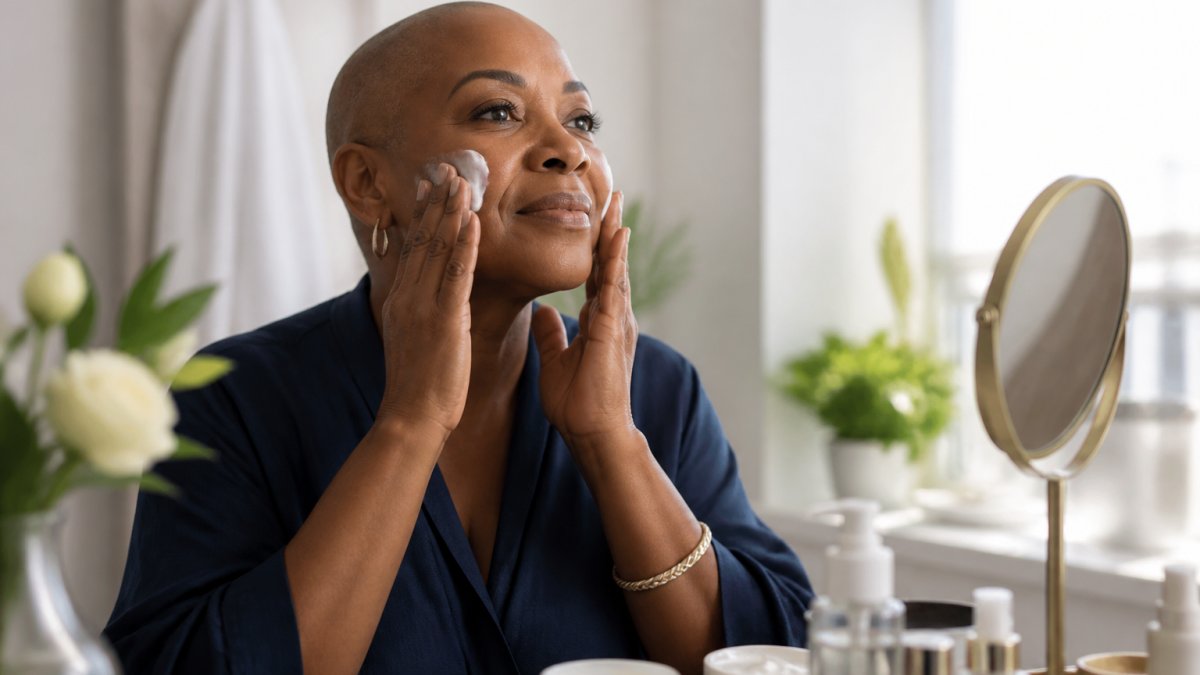
Step 1: Cleanse with a Mild, Fragrance-Free Cleanser
Rinse your face with lukewarm water. Avoid hot water, which strips moisture from sensitive skin.
Apply a gentle, fragrance-free cleanser, ideally free of sulfates and harsh detergents that can leave skin tight and uncomfortable.
Massage the cleanser gently for about 30 seconds. Don't scrub. Treat your skin like something delicate, because right now, it is.
Rinse thoroughly with lukewarm water. Pat your skin dry with a soft towel. Don't rub.
Step 2: Pat Dry and Apply Moisturizer
While your skin is still slightly damp, apply a fragrance-free moisturizer. Damp skin absorbs moisture better than dry skin.
Choose a lightweight moisturizer if your skin feels oily, or a richer cream if it's very dry. Dermatology guidance on moisturizers for sensitive skin recommends looking for products with ceramides, glycerin, or hyaluronic acid to help your skin hold onto water.
Our Lotus Beauty Co. Skincare collection includes options designed for this moment. Our Awaken Day Cream, for example, is fragrance-free, lightweight, and formulated with ingredients like argan oil and squalane to support comfort without feeling heavy.

Apply with upward strokes and let it absorb for a few minutes.
Step 3: Add Sun Protection
Sun exposure can irritate sensitive skin and worsen discoloration. Every morning, apply a fragrance-free sunscreen with at least SPF 30.
Look for mineral sunscreens with zinc oxide or titanium dioxide. These tend to be gentler on sensitive skin than chemical sunscreens. Avoid products with added fragrance or essential oils.
Apply sunscreen generously and let it set before you get dressed or go outside.
Your Evening Gentle Skincare Routine
Your evening routine is about repair and restoration. Give your skin the support it needs overnight.
Step 1: Gentle Cleansing Before Bed
Cleanse your face as you did in the morning: lukewarm water, gentle hands, and a fragrance-free cleanser.
If you're wearing makeup, remove it first with a gentle remover, then follow with your regular cleanser.
Take your time. Treat this as a moment of care for yourself.
Step 2: Apply a Nourishing Nighttime Moisturizer
At night, skin can handle a richer moisturizer. Use a thicker cream if your skin is very dry.
Our Restore Night Cream is formulated for this purpose. It combines argan oil, jojoba, shea butter, and squalane to provide deeper hydration overnight. It's fragrance-free and designed for skin that's going through a lot.

Apply with gentle upward strokes, using a bit more than in the morning since you won't wear makeup over it.
Best Moisturizer During Chemotherapy
The best moisturizer during chemotherapy is one your skin tolerates well.
Look for these qualities:
- Fragrance-free (no added fragrance or essential oils)
- Free of dyes and colorants
- Paraben-free
- Formulated for sensitive skin
- Contains hydrating ingredients like glycerin, hyaluronic acid, or ceramides
Avoid products with alcohol, which can dry skin out further. Skip anything with strong scents or "natural" ingredients that might irritate.
American Academy of Dermatology recommendations for chemotherapy skin care emphasize that simpler formulations tend to work best during treatment.
If you're unsure about a product's ingredients, our Ingredient Index can help you understand what's in it and why.
Skincare Ingredients to Avoid During Chemotherapy
Some ingredients can irritate treatment-affected skin. These are worth skipping:
- Fragrance and essential oils (even "natural" ones)
- Alcohol (drying and irritating)
- Retinoids and vitamin A derivatives (too strong for sensitive skin right now)
- Benzoyl peroxide and salicylic acid (can be too harsh)
- Dyes and artificial colorants
- Strong exfoliants or physical scrubs
- Sulfates (harsh cleansing agents)
This doesn't mean you can never use these ingredients again. During treatment, your skin needs a break from anything that might irritate it.
Check labels carefully. Fragrance can hide under names like "parfum" or "essential oil blend." If you're unsure about an ingredient, ask your oncology or dermatology care team before using it.
Sun Protection During Chemotherapy
Sun protection is non-negotiable during chemotherapy.
Apply sunscreen every day, even indoors, since UVA rays pass through windows. If you're going outside, reapply every two hours.
Choose a broad-spectrum sunscreen with SPF 30 or higher. Mineral sunscreens tend to be gentler than chemical ones for sensitive skin.
Wear protective clothing when you can: long sleeves, hats, and sunglasses.
Avoid peak sun hours, between 10 a.m. and 4 p.m., when UV rays are strongest.
Chemotherapy Skin Rash Care and When to Seek Help
Skin changes during chemotherapy rarely arrive as one tidy symptom. More often they shift week to week: dryness one cycle, itching the next, a rash or peeling skin after that.
Here's how to think about the most common patterns. This is general education, not a diagnosis. Your oncology or dermatology care team knows your regimen and your history, and they are the right people to confirm what you're seeing.
Dryness and Flaking
Chemotherapy can slow the skin's ability to hold water, so dryness often shows up first on the face, hands, and lower legs. Reach for a fragrance-free cream and apply it while skin is still slightly damp after washing. If flaking appears, resist the urge to scrub it away. Gentle cleansing and consistent moisturizing usually do more than any exfoliant, and exfoliants can worsen irritation when skin is already compromised.
Itching Without a Visible Rash
Itching can happen on its own or alongside dryness. Keep showers lukewarm and short, pat dry instead of rubbing, and moisturize within a few minutes of getting out. Soft, breathable fabrics and a cool room at night can help. If itching is intense, keeps you awake, or comes with a rash, tell your care team.
Rash, Redness, or Bumps
If a new rash appears, pause any product you've recently added. Cleanse gently with lukewarm water, apply a plain fragrance-free moisturizer, and avoid scratching. Note when it started, where it appeared, and whether anything new touched your skin in the days before. That timeline is genuinely useful to your care team.
Peeling and Cracked Skin
Peeling and cracking deserve attention because breaks in the skin are an entry point for infection. Keep the area clean and moisturized, and cover cracks on hands or feet with a gentle bandage if your team advises it. Avoid picking at peeling skin. If a crack is deep, bleeding, or not improving, call your care team rather than waiting for your next appointment.
When to Call Your Care Team Right Away
Some skin changes need prompt attention. Contact your oncology team the same day if you notice:
- Fever, chills, or feeling unwell alongside a rash or skin change
- Redness that is spreading, warm to the touch, or tender
- Open skin, oozing, blisters, or a sore that isn't improving
- A rash that is painful or appears quickly
- Swelling of the face, lips, or tongue, or trouble breathing (seek emergency care)
None of this is meant to alarm you. Most skin changes during treatment are manageable with gentle care and a quick check-in. The point is simply to know the signs that deserve a faster response, so you're not left wondering whether to wait.
If you're unsure whether a product is behind a reaction, stop it, keep the rest of your routine plain and consistent, and bring the product (or a photo of the label) to your next visit. Our advisory team is also here to talk through ingredient questions, and we'll always point you back to your clinicians for anything medical.
Common Mistakes to Avoid
Most of the trouble we hear about isn't caused by doing something wrong. It comes from small habits that quietly add up, or from areas of the body that get overlooked until they're uncomfortable. Here are the patterns worth watching, plus the spots that deserve a little extra attention.
The Habits That Cause the Most Irritation
Using too many products. A cleanser, a moisturizer, and a sunscreen cover the essentials.
Skipping moisturizer because skin feels oily. Chemotherapy can leave skin oily and dehydrated at the same time.
Reaching for hot water. It feels soothing in the moment but strips moisture from the skin barrier.
Scrubbing or using rough cloths and tools. Fingertips and the softest cloth you own are enough.
Forgetting sunscreen indoors. UVA rays pass through windows.
The Areas People Forget
Hands. Frequent handwashing and sanitizer wear down the skin barrier fast.
Feet. Dryness and cracking on the heels are common and easy to miss.
Nails and cuticles. Chemotherapy can make nails brittle or sensitive.
Lips. Dry, cracked lips are common. Use a plain fragrance-free lip balm and reapply often. Avoid plumping or tingling formulas, which can irritate.
Skin folds. Under the breasts, in the groin, and under the arms, moisture and friction can cause irritation.
Adapting Around Treatment Days
Your skin may be most sensitive in the days right after a treatment and more settled before the next one. A flexible approach helps:
- On treatment days and the few days after, strip the routine back to cleanser, moisturizer, and sunscreen. Skip anything optional.
- As skin settles, reintroduce one product at a time if you'd like.
- Keep a short note of what you used and how your skin responded, so patterns are easier to spot across cycles.
- Ask before adding anything new close to a treatment day, when skin tends to be most reactive.
A gentle routine isn't about restriction. It's about giving your skin fewer things to manage so it can do its job. If you'd like help building a simple routine that fits your skin and your schedule, our advisory team is glad to talk it through, and your oncology or dermatology care team remains your best resource for anything medical.
Frequently Asked Questions
What is the best skin care routine to follow during chemotherapy?
A gentle skincare routine during chemotherapy focuses on protection and simplicity. Use a mild, fragrance-free cleanser in the morning and evening, followed by a fragrance-free moisturizer suited for sensitive skin. Apply sunscreen every morning. Keep the routine minimal to avoid overwhelming your skin barrier. The key is consistency with products that are gentle and free of harsh ingredients like sulfates, parabens, and fragrance. Your oncology care team can recommend adjustments based on your specific treatment and skin response.
Can I use my regular moisturizer during chemotherapy?
It depends on your regular moisturizer's ingredients. Many conventional moisturizers contain fragrance, essential oils, or other irritants that can trigger reactions in treatment-affected skin. During chemotherapy, switch to a fragrance-free, hypoallergenic moisturizer formulated for sensitive skin. Our products, for example, feature argan oil, squalane, and shea butter. If you're unsure whether your current moisturizer is appropriate, discuss it with your dermatology or oncology care team before continuing.
What skincare should I avoid during chemotherapy?
Avoid products containing fragrance (including essential oils), dyes, sulfates, parabens, and alcohol, as these can irritate or sensitize your skin during treatment. Skip exfoliating products, scrubbing cloths, and abrasive sponges that can damage your skin barrier. Avoid very hot water when bathing or showering. Don't use makeup with heavy pigments or long-wear formulas unless they're specifically formulated for sensitive skin. Always patch-test new products on a small area first, and speak with your care team before introducing anything new.
How can I protect my skin from the sun during chemotherapy?
Sun protection during chemotherapy is essential because some treatments increase photosensitivity. Apply a broad-spectrum sunscreen with SPF 30 or higher every morning, even on cloudy days. Look for mineral sunscreens with zinc oxide or titanium dioxide, which are gentler on sensitive skin than chemical sunscreens. Reapply every two hours if you're outdoors. Wear protective clothing, hats, and sunglasses when possible. Ask your oncology team which sunscreen formulation they recommend, as some treatments may interact with certain ingredients.