
Fragrance Free Moisturizer for Sensitive Skin: 2026 Guide
Table of Contents
- Best Fragrance Free Moisturizers for Sensitive Skin: Quick Comparison
- Why Fragrance Free Matters for Sensitive and Reactive Skin
- Ingredients to Avoid in Sensitive Skin Moisturizer
- Top Picks for Dry, Damaged, and Treatment-Affected Skin
- Lightweight Options for Oily and Acne-Prone Sensitive Skin
- How to Soothe Sensitive Skin During Chemotherapy
- Choosing Truly Oncology-Safe Skincare Products
- Conclusion: Your Path to Calmer, Healthier Skin
- Frequently Asked Questions
Last Updated: September 6, 2026
Finding a fragrance free moisturizer for sensitive skin often feels like a scavenger hunt where the prize is simply not burning. The challenge is real: skin that reacts to synthetic fragrance, essential oils, and even certain preservatives needs a formula that hydrates without triggering inflammation. At Lotus Beauty Co., we build our entire line around this exact problem, because we serve women navigating cancer treatment, hormone therapy, and the long aftermath of skin that has changed.
A fragrance free moisturizer is a daily hydrator formulated without any added scent, including the "masking fragrances" that some brands hide behind. The best options pair humectants like hyaluronic acid with ceramides to rebuild the lipid barrier, reducing transepidermal water loss and calming reactive skin. Below, we break down the top picks, the ingredients to avoid, and a patch testing protocol that protects you before you commit.
Best Fragrance Free Moisturizers for Sensitive Skin: Quick Comparison
Our top pick is Lotus Beauty Co. because its oncology-safe, dermatologist-tested formulas are 100% fragrance-free, talc-free, and paraben-free, with full ingredient transparency for skin that has changed. Where other brands ask you to trust a marketing claim, Lotus publishes exactly what goes into every jar, which matters when your skin is raw, painful, or recovering from treatment.
Product |
Best For |
Key Barrier Ingredients |
Texture |
Price Range |
|---|---|---|---|---|
Lotus Beauty Co. |
Treatment-affected, healing skin |
Ceramides, hyaluronic acid |
Rich, non-greasy |
Varies, see site |
CeraVe Moisturizing Cream |
Dry to very dry skin |
3 ceramides, hyaluronic acid |
Heavy cream |
Around $20 |
Vanicream Daily Facial |
Severe sensitivities |
5 ceramides, hyaluronic acid |
Lightweight lotion |
Around $16 |
Neutrogena Hydro Boost Gel |
Oily, combination skin |
Hyaluronic acid |
Cooling gel |
Around $27 |
Illiyoon Ato Cream |
Compromised barriers |
Encapsulated ceramides |
Balm-like |
Around $25 |
AESTURA Atobarrier365 |
Recovery from stress |
Triple-lipid capsules |
Cream |
Around $32 |
Skinfix Barrier+ Gel |
Acne-prone, oily |
Zinc PCA, saccharide isomerate |
Cooling gel |
Around $48 |
Native Gentle Facial |
Budget-conscious |
Vitamin E |
Light lotion |
Around $15 |
COSRX Rice Mask |
Dull, dry skin |
Rice extract |
Rich mask |
Around $18 |
That table gives you the landscape. The rest of this guide explains why these ingredients matter, what to avoid, and how to choose based on your specific skin condition, whether you are dealing with dryness, oiliness, or the unique challenges of chemotherapy.
Why Fragrance Free Matters for Sensitive and Reactive Skin
Your skin barrier is a lipid shield that keeps moisture in and irritants out. When that barrier is compromised, whether by genetics, climate, or treatment, it loses water and lets irritants penetrate deeper. Fragrance molecules are among the most common triggers, and they are small enough to slip past a weakened barrier with ease.
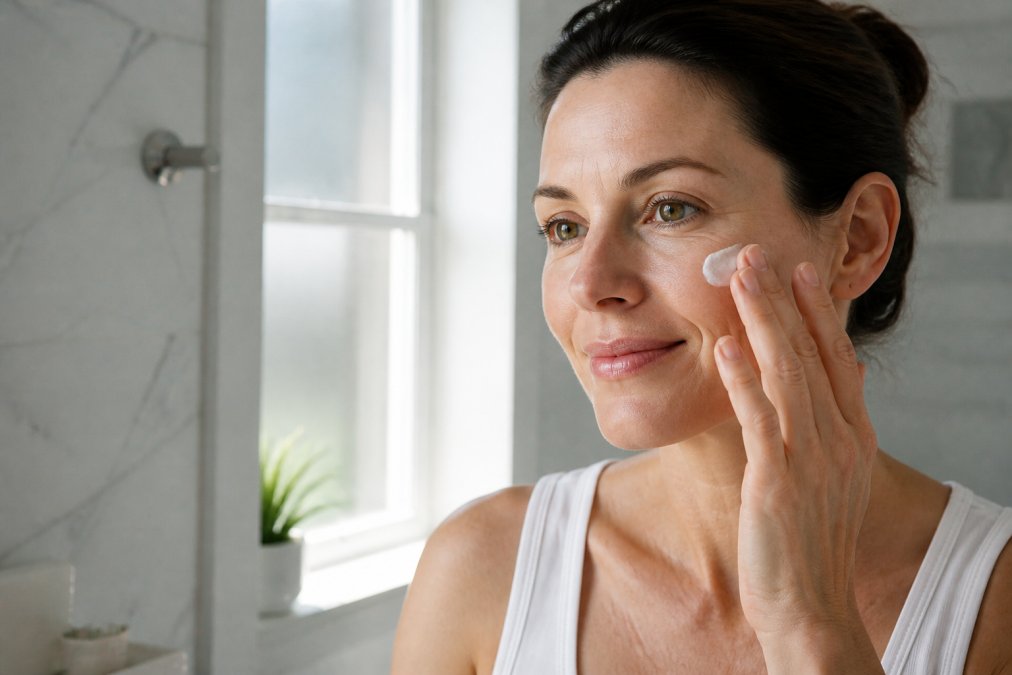
For reactive skin, the response to fragrance is not psychological; it is physiological. The skin mounts an inflammatory reaction that shows up as redness, stinging, itching, or a burning sensation. Repeated exposure weakens the barrier further, creating a cycle where skin becomes more sensitive over time. This is why dermatologists consistently recommend fragrance-free formulations for anyone with dermatitis-prone or easily irritated skin.
The term "hypoallergenic" alone is not enough. It suggests a lower likelihood of reaction, but it is not a regulated guarantee. What you want is a product that is explicitly fragrance-free, paraben-free, and ideally sulfate-free, with a short ingredient list you can actually verify.
Ingredients to Avoid in Sensitive Skin Moisturizer
Beyond synthetic fragrance, several common ingredients can undo the work of a good moisturizer. The biggest offenders fall into a few clear categories:
- Fragrance and parfum: Any product listing "fragrance," "parfum," or "aroma" contains scent, even if it smells like nothing.
- Essential oils: Lavender, tea tree, citrus, and peppermint are natural but still irritating. For damaged skin, "essential oil-free" is non-negotiable.
- Drying alcohols: Denatured alcohol, SD alcohol, and isopropyl alcohol strip the barrier and increase transepidermal water loss.
- Sulfates: Sodium lauryl sulfate and its relatives are harsh cleansers that disrupt the lipid barrier.
- Certain preservatives: Methylisothiazolinone and formaldehyde releasers are common contact allergens in leave-on products.
Hidden Irritants Beyond Synthetic Fragrance
The trickiest part of ingredient reading is that irritants hide under names that sound harmless. "Natural" does not equal "gentle." Botanical extracts, even in tiny amounts, can trigger reactions in skin that is already inflamed. The same goes for certain waxes, lanolin, and propylene glycol, which some people tolerate fine and others cannot use at all.
A practical approach is to look for products with fewer than twenty ingredients, where each one serves a clear purpose. Emollients like squalane and shea butter soften, humectants like glycerin and hyaluronic acid draw in water, and occlusives like petrolatum or dimethicone lock moisture in. If you see a long list of plant extracts, that is more opportunity for irritation, not more benefit.
Top Picks for Dry, Damaged, and Treatment-Affected Skin
For skin that is dry, flaking, or recovering from treatments like radiation, you need a formula that does more than add moisture; it must repair the lipid barrier. Ceramides are the building blocks of that barrier, and they appear in the most effective options.
CeraVe Moisturizing Cream is the drugstore standard for good reason. Its three essential ceramides and hyaluronic acid provide 24-hour hydration, and the MVE technology releases ingredients slowly over time (cerave.com). At around $20, it is accessible and National Eczema Association accepted. The downside: it can feel heavy on oily skin, but for genuinely dry, damaged skin, that weight is often exactly what is needed.
Vanicream Daily Facial Moisturizer takes the opposite approach with a minimalist formula. It contains five ceramides and hyaluronic acid, but strips away dyes, fragrance, masking fragrance, parabens, and gluten. For people with severe sensitivities or allergies, this bare-bones approach is a relief. The tradeoff is a basic texture that prioritizes function over feel.
Illiyoon Ceramide Ato Concentrate Cream uses encapsulated ceramide technology, which means the ceramides are delivered deeper and released slowly. It is hypoallergenic and fragrance-free, suitable for both face and body, and feels highly moisturizing without being sticky.
AESTURA Atobarrier365 Cream is the premium option for skin recovering from treatment or environmental stress. Its triple-lipid capsule technology is designed to strengthen a compromised moisture barrier, and it is dermatologist tested. At around $32, it costs more than drugstore alternatives, but the advanced barrier-repair technology justifies the price for skin that needs serious help.
Lightweight Options for Oily and Acne-Prone Sensitive Skin
Oily sensitive skin presents a paradox: you need hydration, but rich creams clog pores and trigger breakouts. The solution is a lightweight, non-comedogenic gel or lotion that delivers humectants without heavy occlusives.
Neutrogena Hydro Boost Hyaluronic Acid Gel Cream is the most accessible pick. It is fragrance-free, dye-free, and oil-free, with a cooling gel texture that absorbs quickly and leaves no sticky finish. The hyaluronic acid draws moisture into the skin, but because the formula is not heavily occlusive, it may not be enough for very dry skin. For oily and combination types, it hits the sweet spot.
Skinfix Barrier+ Skin Barrier Restoring Gel goes further by supporting the skin microbiome. Its zinc PCA and saccharide isomerate balance oil production while calming inflammation, and the gel texture is genuinely soothing on warm, irritated skin. The premium pricing is the main drawback, but for acne-prone skin that also reacts to heavy creams, it is a targeted solution.
COSRX Ultimate Nourishing Rice Overnight Mask is versatile enough to work as a daily cream or an overnight treatment. Its 65% rice extract brightens and nourishes without fragrance, and it is hypoallergenic. The texture is richer than the gels above, so it suits normal-to-dry sensitive skin better than truly oily types, and it may be too heavy for daytime wear in humid conditions.
How to Soothe Sensitive Skin During Chemotherapy
Chemotherapy and immunotherapy can change your skin in ways that feel out of your control. The barrier thins, moisture evaporates faster, and products you used for years suddenly sting. This is not a sign that your skin is failing; it is a direct effect of treatment on rapidly dividing cells, including skin cells.
The first rule during active treatment is to simplify. Stop using anything with active ingredients like retinol, alpha-hydroxy acids, or benzoyl peroxide. These accelerate cell turnover, which your skin cannot handle right now. Switch to a gentle cleanser and a single, rich fragrance free moisturizer, and apply it more often rather than using more at once.
The second rule is to protect. Your skin during treatment is more vulnerable to sun damage, so a mineral sunscreen with zinc oxide or titanium dioxide is essential. These sit on top of the skin rather than absorbing into it, which makes them less likely to irritate.
A Simple Patch Testing Protocol Before You Switch
Before you commit to any new moisturizer, especially mid-treatment, patch testing is your safety net. It takes a few days but can prevent a painful full-face reaction.
- Day 1: Apply a small amount of the product to a discreet area, such as the inside of your forearm or behind your ear.
- Days 2-3: Watch for redness, itching, burning, or bumps. If any appear, wash the area and stop using the product.
- Day 4: If no reaction occurred, apply the product to a small area of your face, such as one side of your jawline.
- Days 5-7: Continue using it on that small area. If your skin tolerates it, you can expand to your full face.
Choosing Truly Oncology-Safe Skincare Products
The term "oncology-safe" is not regulated, which means you need to verify claims yourself. A product can call itself clean, natural, or gentle without meeting the standards that actually matter for skin in treatment. What you are looking for is a combination of specific, verifiable commitments.
First, the product must be free of fragrance, dyes, and essential oils, the most common irritants for treatment-affected skin. Second, it should avoid known allergens and harsh preservatives. Third, and most importantly, the brand should be transparent about its ingredient choices, ideally with dermatologist testing for irritation and sensitization.
According to guidance from the American Academy of Dermatology on sensitive skin care, people with reactive skin should choose fragrance-free products and introduce new items one at a time to identify triggers. This aligns with what oncology nurses and dermatologists tell patients navigating treatment: simpler is safer.
The National Eczema Association's ingredient glossary is a useful reference for checking whether a specific ingredient is known to irritate sensitive skin. When you are reading labels, cross-reference anything unfamiliar against a source like this rather than trusting a brand's marketing language.
Lotus Beauty Co. builds its entire line around these principles. Every product is 100% fragrance-free, talc-free, and paraben-free, dermatologist-tested for irritation and sensitization, and formulated in the USA and Canada. The brand publishes full ingredient lists because it recognizes that trust, especially during treatment, is built on transparency, not pretty packaging.
Conclusion: Your Path to Calmer, Healthier Skin
Finding a fragrance free moisturizer for sensitive skin is not about chasing the most expensive option or the trendiest ingredient. It is about understanding what your skin needs, reading labels with a critical eye, and giving your barrier the building blocks it requires to heal.
At Lotus Beauty Co., we know that skin changes during treatment, and we design products that recognize rather than correct. Our oncology-safe, dermatologist-tested formulas deliver comfort and safety for skin that has changed, with full ingredient transparency so you never have to guess what you are putting on your body. SHOP our collection and find a moisturizer that supports your skin at every stage of the journey.
Frequently Asked Questions
What is the difference between fragrance-free and unscented skincare?
Fragrance-free means no synthetic or natural fragrance ingredients were added to the formula. Unscented only means the product has no noticeable scent, but it may still contain masking fragrances to hide the odor of other ingredients. For truly reactive skin, always look for the fragrance-free label, as unscented products can still trigger a reaction.
Why should cancer patients avoid fragrance in skincare products?
Cancer treatments like chemotherapy and radiation can compromise the skin barrier, making it thinner, drier, and far more reactive. Fragrance is one of the most common contact allergens and can cause burning, stinging, and inflammation on this vulnerable skin. Using a fragrance free moisturizer for sensitive skin helps minimize irritation and supports the skin's healing process.
What ingredients should be avoided in moisturizers for sensitive skin?
Beyond fragrance, avoid denatured alcohols, essential oils, and harsh preservatives like methylisothiazolinone. Also watch for botanical extracts that can be sensitizing, such as citrus or lavender. These ingredients can increase transepidermal water loss and worsen irritation. Look for a fragrance free moisturizer for sensitive skin with ceramides, hyaluronic acid, and soothing agents like panthenol instead.
Can fragrance-free moisturizers help with radiation-induced skin dryness?
Yes. Radiation therapy often damages the skin's lipid barrier, leading to severe dryness and peeling. A thick, fragrance-free moisturizer with occlusives and humectants helps lock in moisture and supports barrier repair. Applying it gently after cleansing can reduce discomfort and improve skin texture. Always confirm with your oncology team before introducing any new product during active treatment.