
Apply Makeup Without Irritating Sensitive Skin
Table of Contents
- Understanding Your Sensitive Skin and Makeup Needs
- Building a Sensitive Skin Makeup Routine That Works
- How to Patch Test Makeup Before Full Application
- Choosing Makeup Products for Sensitive and Reactive Skin
- Makeup Application Tools for Sensitive Skin
- Makeup Removal for Sensitive Skin
- What to Do If Your Skin Reacts During or After Makeup
- Frequently Asked Questions
Last Updated: October 10, 2026
Understanding Your Sensitive Skin and Makeup Needs
Learning how to apply makeup sensitive skin requires a different approach. Your skin barrier may be compromised, reactive, or dealing with inflammation from treatment side effects or dryness. The goal is to add color and definition while keeping your skin calm and comfortable.
Sensitive skin needs products and techniques that respect its current state. This means choosing formulas carefully, preparing your skin properly, and knowing when to stop.
Building a Sensitive Skin Makeup Routine That Works
A solid routine follows a clear sequence: cleanse gently, hydrate thoroughly, prime if needed, then apply color in thin layers.
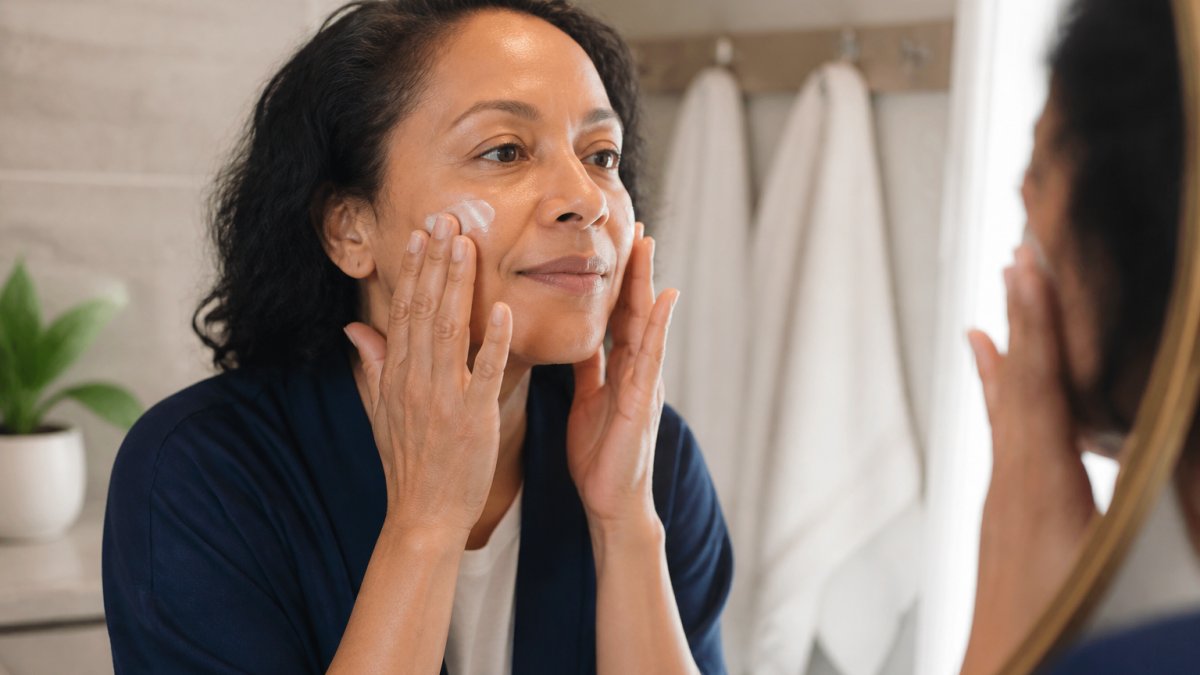
Step 1: Prepare Your Skin with Gentle Cleansing
Use a gentle cream cleanser or micellar water, avoiding soap-based formulas. Wash with lukewarm water, massage gently for about 30 seconds, and pat dry with a soft towel, don't rub, which can irritate reactive skin.
If you're dealing with active inflammation or flare-ups, skip makeup entirely that day. Giving your skin a break is sometimes the kindest thing you can do.
Step 2: Moisturize Before Any Makeup Application
Apply a lightweight, fragrance-free moisturizer while your skin is still slightly damp. Wait 2-3 minutes for full absorption before moving to the next step. If your skin feels tight or dry, consider a hydrating serum under your moisturizer for extra support.
Step 3: Apply Primer or Base for Breathable Coverage
A hydrating primer creates a smooth surface and helps makeup last longer. Apply a small amount to your forehead, cheeks, nose, and chin, blend gently, and let it set for 1-2 minutes. If your skin is very reactive, skip primer, a good moisturizer may be enough.
Step 4: Apply Foundation and Concealer in Thin Layers
Apply foundation in thin layers, building coverage gradually. Start with about half a pump for your whole face, using a clean sponge or fingertips. For concealer, use an even lighter hand and apply only where needed. Let each layer set for 30 seconds before adding more to avoid over-application and discomfort.
| Step | Duration | Key Point |
|---|---|---|
| Cleanse | 1-2 minutes | Use gentle pressure, lukewarm water |
| Moisturize | 2-3 minutes | Wait for full absorption before next step |
| Primer | 1-2 minutes | Optional; hydrating formula only |
| Foundation | 3-5 minutes | Thin layers, build gradually |
| Concealer | 2-3 minutes | Light application, blend gently |
How to Patch Test Makeup Before Full Application
Patch testing is your insurance policy against reactions. Even products labeled "hypoallergenic" or "for sensitive skin" can trigger problems for individual people.
Where and How to Patch Test
Choose a small area like the inner arm, behind the ear, or jawline. Apply a pea-sized amount and leave it uncovered for 24-48 hours, marking the time so you can track any delayed reactions.
What to Watch For: Reading Your Skin's Response
True positive reaction (stop using the product):
- Redness that spreads beyond the test area or intensifies over hours
- Itching or burning that doesn't fade within a few minutes
- Swelling, hives, or raised bumps
- Blistering or oozing
- Symptoms that appear or worsen between 24 and 48 hours
Normal skin response (usually safe to use):
- Slight redness that fades within 15-30 minutes
- Mild dryness or tightness (especially with foundations or powders)
- A slight warming sensation as the product sets
- No change at all
Testing Layered Products and Full Routines
If you're introducing multiple new products at once, a new cleanser, moisturizer, and foundation, patch test each one separately first. This way, if a reaction happens, you'll know which product caused it. Once you've confirmed each product individually, you can test them together on a small face area to make sure they don't interact in unexpected ways.
For makeup specifically, after passing the patch test on your arm or jawline, apply makeup sensitive skin by testing a small amount on one cheek or a corner of your forehead. Wear it for 2-4 hours while you're at home.
Moving from Patch Test to Full Face Application
Once a product passes both tests, use it on your full face. Keep a simple log of what you tested and the results, patterns will emerge over time that help you identify which ingredients or brands work best for your skin.
Choosing Makeup Products for Sensitive and Reactive Skin
Product selection is half the battle. Look for formulas that are fragrance-free, free of common irritants, and specifically designed for sensitive skin.
Check ingredient labels before buying. Avoid products with alcohol, fragrance (including "natural fragrance"), essential oils, or heavy preservatives.
Our Ingredient Index breaks down what each ingredient does and why we chose (or didn't choose) it.
Look for foundations and concealers that offer buildable coverage rather than full coverage in one layer.
The Hydrating Liquid Foundation and Beauty Stick Foundation are both designed for sensitive, treatment-affected skin.


Makeup Application Tools for Sensitive Skin
Your hands, a clean sponge, or soft brushes work best. Choose synthetic bristles over natural hair, which can harbor bacteria. Wash tools weekly and air dry completely. Fingertips are gentlest for blending; if you use a sponge, dampen it slightly with water first.
Makeup Removal for Sensitive Skin
Use a gentle makeup remover formulated for sensitive skin. Apply it, let it sit for 30 seconds, then massage gently and rinse with lukewarm water. Be especially gentle around the eyes. After removing makeup, follow with your normal cleansing routine, pat dry gently, and moisturize while skin is still slightly damp. Never go to bed with makeup on.
What to Do If Your Skin Reacts During or After Makeup
Reactions can happen even when you're careful. The key is knowing how to respond quickly and how to prevent the same problem next time. Not all reactions are equal, and your next steps depend on how severe the response is.
Immediate Steps for Any Reaction
Remove the makeup immediately with cool water and your gentle cleanser. Pat dry gently and apply a soothing, fragrance-free moisturizer. Avoid any other products for the rest of the day. Resist the urge to touch, scratch, or apply more product, your skin needs a break.
Assessing the Severity: Mild, Moderate, or Serious
Mild reaction (resolves within 1-2 hours):
- Light redness or slight itching
- Temporary tightness or dryness
- Flushing that fades as your skin calms
Mild reactions often happen when products are too heavy, layered too thickly, or applied over dehydrated skin.
Moderate reaction (lasts 2-4 hours or longer):
- Noticeable redness that doesn't fade quickly
- Itching or burning that persists
- Slight swelling or puffiness
- Dry patches or peeling
Moderate reactions suggest the product or one of its ingredients isn't right for your skin right now. It's worth pausing for now.
Serious reaction (seek care immediately):
- Swelling of the face, lips, or throat
- Difficulty breathing or shortness of breath
- Hives or widespread rash
- Severe itching or burning
- Blistering, oozing, or signs of infection
Serious reactions require immediate attention. Remove the product, rinse thoroughly, and contact your oncology or dermatology care team or seek emergency care if symptoms are severe.
Identifying Which Product Caused the Problem
If you applied multiple products that morning, narrowing down the culprit takes detective work. Review your routine step by step:
- Did you use a new product? If you introduced a new cleanser, moisturizer, primer, foundation, or concealer in the last few days, that's the most likely suspect.
- Did you use more product than usual? Heavy application can trigger irritation even with products you've used before, especially if your skin barrier is compromised.
- Did you skip a step? If you skipped moisturizer or primer, your skin may have reacted to foundation sitting directly on dry or unprepared skin.
- Did you use a dirty tool? Brushes or sponges that haven't been washed in a week can harbor bacteria, which can cause redness or bumps.
- Did your skin barrier change? If you're mid-treatment or recovering from a procedure, your skin's tolerance may have shifted. A product that worked last month might irritate you now.
Once you've identified the likely culprit, stop using it and give your skin 3-5 days to return to normal before introducing anything new.
When to Pause Makeup Entirely
Sometimes the kindest thing you can do is take a break. If your skin is actively inflamed, flaking, or painful, skip makeup for a day or two. Your skin barrier needs time to recover, and adding any product, even a gentle one, can slow that process.
You might also pause makeup if:
- You're in the middle of chemotherapy or radiation and your skin is particularly reactive
- You've had a reaction and aren't sure which product caused it
- Your skin feels raw, tender, or compromised
- You're dealing with a skin condition like dermatitis that's flaring
There's no shame in going makeup-free while your skin heals. You're not less yourself without it, and your skin will thank you.
Building Your Reaction Log
Keep a simple record of what you wore and how your skin responded. Note the date, the products you used, how long you wore them, and any reactions that occurred. Over weeks and months, patterns emerge: certain ingredients, textures, or brands that consistently work or consistently cause problems.
This log becomes invaluable when you're shopping for new products or troubleshooting a reaction. You'll be able to say, "Every time I use a product with this ingredient, my skin reacts," rather than guessing.
When to Talk to Your Care Team
Your oncology or dermatology team can help you figure out what triggered a reaction and recommend alternatives. They're especially valuable if:
- You're experiencing frequent reactions despite careful product selection
- You're unsure whether a reaction is normal irritation or something that needs medical attention
- You're mid-treatment and your skin's tolerance has changed
Bring your reaction log and the product labels with you. The more information you can share, the better they can help.
Frequently Asked Questions
How do I know if a makeup product will irritate my sensitive skin before using it all over my face?
Patch testing is your best protection. Apply a small amount of the product to a discreet area like your inner arm or behind your ear, leave it for 24-48 hours, and watch for redness, itching, burning, or swelling. If your skin shows no reaction, the product is likely safe for your face. This simple step catches potential irritants before they affect your whole complexion and is especially important during active treatment when your skin barrier may be compromised.
What ingredients should I avoid in makeup if I have sensitive skin?
Beyond fragrance, watch for alcohol denat (drying alcohols), essential oils, strong preservatives, and common irritants like menthol or salicylic acid. Our Ingredient Index at Lotus Beauty Co. breaks down what each component does, so you can make informed choices. When in doubt, speak with your oncology or dermatology care team about which ingredients may affect your specific skin.
Can I wear makeup during active chemotherapy or radiation treatment?
Many women do, but timing and product choice matter. During active treatment, your skin may be more reactive, so patch testing becomes even more critical. Start with fewer products and build gradually. Our Hydrating Liquid Foundation and Beauty Stick Foundation are formulated without common irritants, but we always recommend checking with your oncology team about what's safe for your individual situation. Comfort and safety come first, always.
How do I remove makeup gently without damaging my sensitive skin?
Use a gentle, fragrance-free cleanser or makeup remover and warm (not hot) water. Apply the cleanser with your fingertips using soft circular motions, then rinse thoroughly. Avoid tugging or rubbing, which can irritate reactive skin. Pat dry gently with a clean, soft towel. Follow with a hydrating moisturizer to restore your skin barrier. Proper removal is just as important as application, especially for your delicate eye area.